
Sutton Coldfield · B72–B76
Spray Foam Removal in Sutton Coldfield
Spray foam insulation removed from loft rafters across Sutton Coldfield, including Four Oaks, Walmley, Boldmere. Free survey, fixed written quote, and optional re-insulation and boarding afterwards, subject to roof condition.
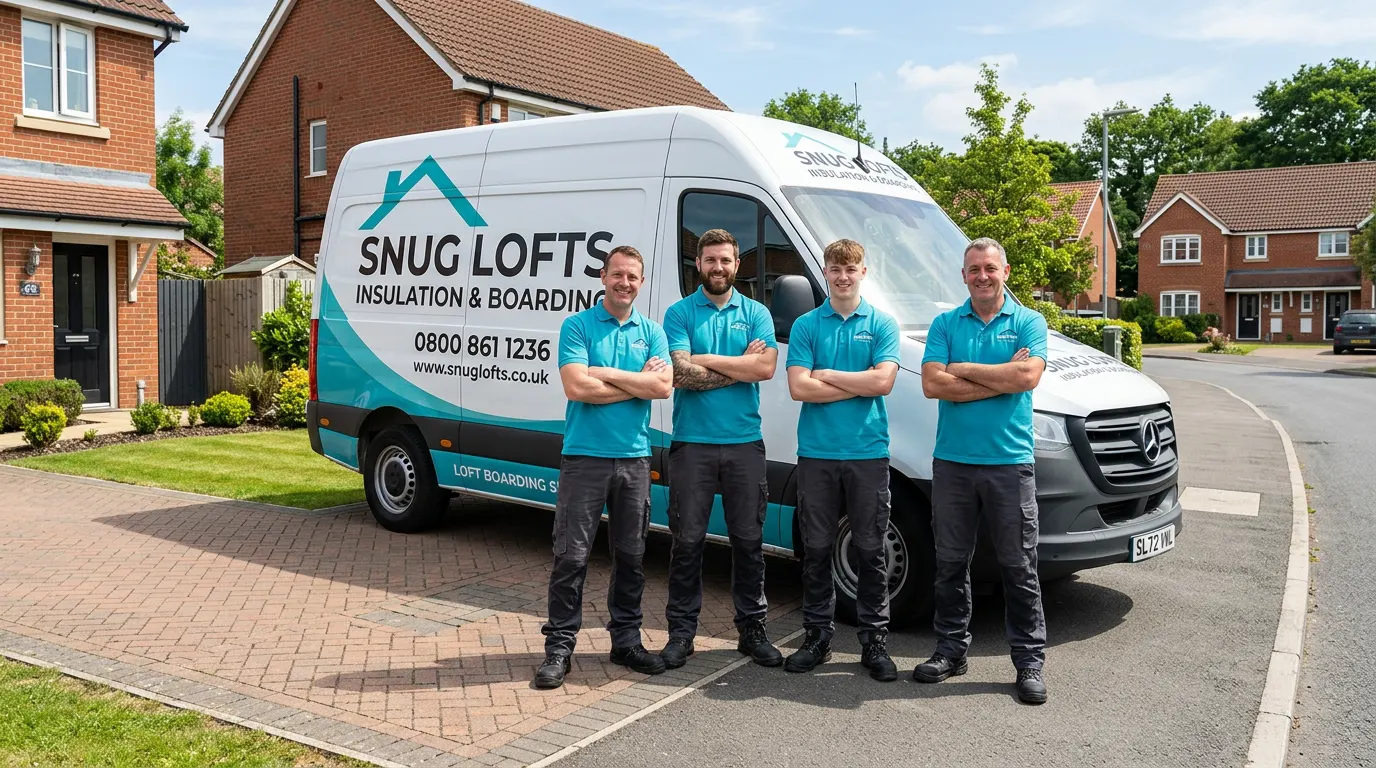
Covering B72–B76 from our Tipton depot · Call free 0800 861 1236
YOUR NEXT STEP
Request a free spray foam survey in Sutton Coldfield
Tell us about your loft. Our team will contact you to discuss the work and arrange a suitable survey.
- Free, no-obligation site survey
- Fixed written quote after assessment
- Replacement insulation options, subject to roof condition
Selling or remortgaging? Ask your lender what evidence it needs and seek independent advice before commissioning removal. Removal does not guarantee mortgage approval; paperwork and any further inspection requirements should be agreed before work starts.
0800 861 1236Why homeowners in Sutton Coldfield remove spray foam
Mortgage and sale questions
Some mortgage and equity release lenders restrict lending on homes with spray foam in the roof. Ask your lender and an independent surveyor whether removal is necessary before commissioning work; removal alone does not guarantee approval.
Hidden timber condition
Foam can obscure roof timbers and make their condition harder to assess. Moisture risk depends on the roof construction, foam and installation; not every spray-foamed roof is damaged.
Ventilation and condensation
Spray foam changes how a roof manages heat and moisture. An assessment should consider ventilation, condensation and the roof covering before deciding whether removal or other remedial work is appropriate.
Open-cell vs closed-cell spray foam removal
The foam type is only part of the picture. Its bond to your roof and the condition of the materials underneath determine the safest next step.
Open-cell spray foam
Open-cell foam is generally softer and less dense once set. Softer foam does not necessarily mean easy removal: its bond to timbers and the roof underlay, the depth applied and access all affect the work involved.
Closed-cell spray foam
Closed-cell foam is generally rigid and denser, and restricts water vapour movement more than open-cell foam. A firm bond can make removal more involved. The roof needs assessment before choosing a method, rather than assuming it can simply be scraped clean.
Spray foam, mortgages and equity release
Check what your lender needs first
Lending policies vary. Spray foam does not automatically mean your roof is defective or that removal is necessary. Before paying for work, ask your mortgage or equity release provider for its requirements in writing and seek advice from an independent surveyor.
Keep evidence, not promises
Keep the agreed scope, invoices, photographs and repair records. Ask whether an independent post-removal roof inspection or moisture checks are required. Removal, a contractor's certificate or a photo pack cannot guarantee lender approval.
What affects spray foam removal cost?
There is no published spray foam removal price on our website. A free survey establishes the scope before we give you a fixed written quote.
Roof area and access
The amount of foam, working height, hatch access and obstructions affect the labour and protection needed.
Foam and its bond
Foam type, thickness and adhesion to rafters and underlay determine how involved removal may be.
Condition and reinstatement
Waste handling, any separately identified roof repairs and optional replacement insulation or boarding affect the scope. Ask for these items to be clear in the written quote.
How our spray foam removal works
- 1
Free survey
We inspect the loft, identify the foam type, check access and photograph the roof so you know exactly what is involved.
- 2
Fixed written quote
You receive a fixed price for removal, waste disposal and any re-insulation or boarding you choose. No guesswork, no hidden extras.
- 3
Agreed removal scope
Protection, access and the removal method are agreed for your roof. Foam bonded to fragile underlay or damaged timber may require additional work; any identified repair requirements should be discussed rather than concealed.
- 4
Assess and re-insulate
Assess the exposed roof before covering it again. Once any necessary repairs and moisture issues are addressed, we can discuss suitable replacement insulation and raised boarding.
Re-insulating your loft after spray foam removal
Removing foam changes the roof's thermal performance. Check the exposed roof and address repairs or moisture concerns before adding new insulation. The replacement needs to suit the roof design, ventilation and how you use the loft.
- Mineral wool loft insulation
For a suitable cold-roof loft, insulation at floor level keeps heat in the rooms below while retaining roof-space ventilation.
- SuperFOIL insulation
A multifoil system needs a suitable roof design and correct ventilation and condensation detailing; it is not an automatic replacement for sprayed foam.
- Raised loft boarding for storage
Our 175mm raised subframe protects 270mm insulation where suitable. Boarding provides storage access, not a structural roof repair.
Independent guidance
- RICS consumer guide to spray foam insulation
- House of Commons Library: spray foam insulation and mortgages
- GOV.UK: commercial waste responsibilities
These sources provide general guidance; linking to them does not imply accreditation or endorsement of Snug Lofts.
Spray foam removal in Sutton Coldfield: FAQs
Do you remove spray foam insulation in Sutton Coldfield?
Yes. Snug Lofts removes spray foam from lofts across Sutton Coldfield (B72–B76), including Four Oaks, Walmley, Boldmere. Every job starts with a free survey and a fixed written quote.
How much does spray foam removal cost?
We price every spray foam removal job after a free survey. The cost depends on the roof area, whether the foam is open-cell or closed-cell, how firmly it is bonded and whether you want re-insulation or boarding afterwards. You get a fixed written quote before any work starts.
Why do mortgage lenders have problems with spray foam?
Some lenders and surveyors cannot confirm the condition of roof timbers when they are covered with foam, so they may decline a mortgage or ask for more information. Rules differ between lenders, so check what your lender or surveyor needs before booking removal.
How long does spray foam removal take?
The timescale depends on the roof area, foam thickness, adhesion and access, plus any repairs needed. We confirm the expected duration after inspecting the loft rather than promising the same timescale for every property.
Can you re-insulate the loft after removing spray foam?
Yes, subject to the condition and design of the roof. Any necessary repairs, drying and ventilation issues should be addressed first. We can then discuss mineral wool at loft-floor level, suitable SuperFOIL systems or raised boarding; these are not interchangeable solutions for every roof.
Can I remove spray foam insulation myself?
DIY removal can damage timbers or roof underlay and create dust and debris in a confined space. A competent assessment is needed to choose safe working methods, dust controls and appropriate protective equipment. If a mortgage or sale is involved, ask the lender or independent surveyor what evidence they need before starting; DIY work does not automatically meet their requirements.
Will spray foam removal damage my roof tiles or felt?
No contractor should promise zero risk without inspecting the roof. Foam may be strongly bonded to the underlay, and removing it can expose existing defects or damage fragile materials. The survey should identify risks, the proposed method and how any necessary roof repairs will be handled.
Will removal guarantee a mortgage or equity release approval?
No. Each lender sets its own criteria, and removing foam does not guarantee a mortgage, remortgage, equity release or sale. Obtain the lender's requirements in writing and seek an independent roof assessment before commissioning removal. A contractor's invoice or photos are not a substitute for any assessment the lender requires.
What paperwork should I keep after spray foam removal?
Ask your lender or surveyor to specify the evidence they require. Keep the agreed scope, invoice, before-and-after photographs and details of any repairs. An independent surveyor may recommend further inspection or moisture checks; there is no single removal document that every lender accepts.
How should removed spray foam be disposed of?
Removed foam from paid building work is commercial waste. It should be securely contained, appropriately classified and transferred using an authorised waste carrier to a facility permitted to accept it, with the required waste documentation. Ask who will handle disposal and check their registration; do not assume a contractor holds it without verification.
Do I need to leave the house during removal?
That depends on the work and the protection and dust-control arrangements. Discuss access, household occupants and whether any rooms need to be kept clear at the survey, before the removal date is agreed.