A Mini Guide to Rafter Insulation
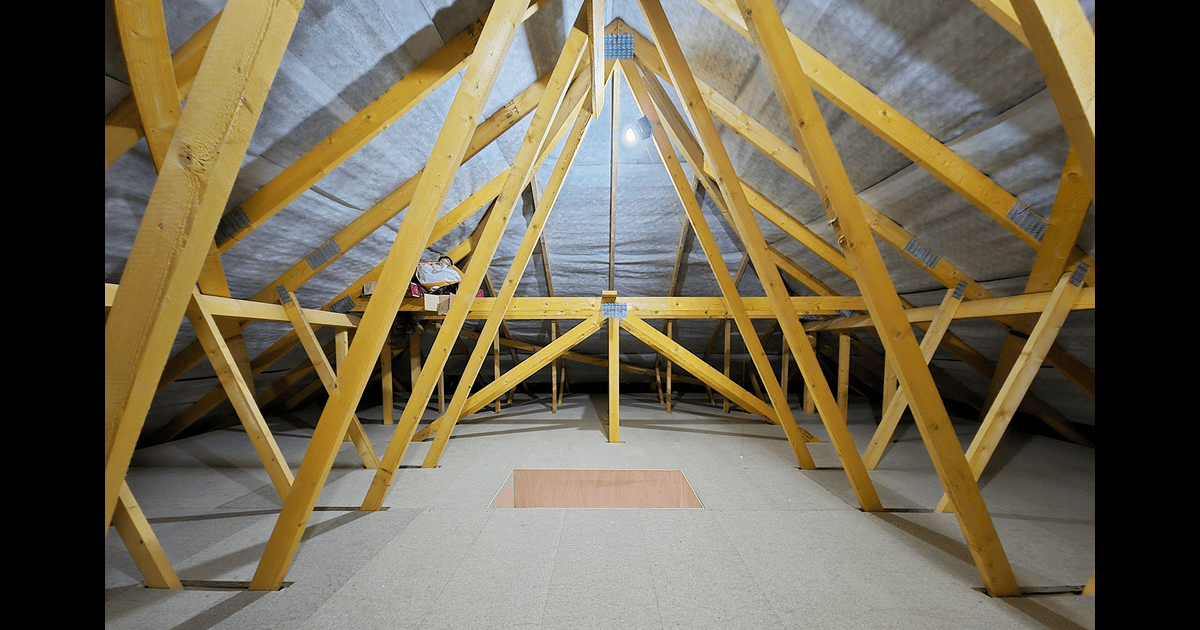
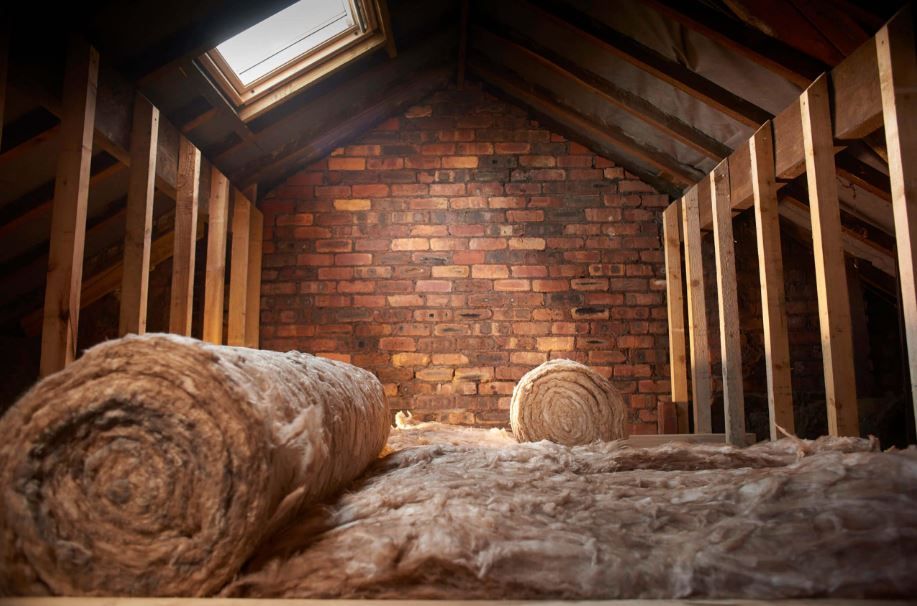
When most homeowners think of insulating their loft, they picture rolls of insulation on the floor. But if your loft is used for storage or converted for living space, insulating between or under the rafters (the sloping parts of the roof) can make a huge difference to comfort and efficiency.
In this mini guide, Snug Lofts explains what rafter insulation is, when to use it, and the pros and cons compared with standard loft insulation.
What Is Rafter Insulation?
Rafter insulation involves fitting insulation materials directly between or beneath the roof rafters, rather than across the loft floor.
This creates a “warm loft” — keeping the whole roof space within the heated envelope of your home. It’s ideal for:
- Loft rooms or hobby spaces
- Storage areas where you spend time
- Homes with limited loft floor depth
Common materials include rigid insulation boards, foil-backed panels, or high-performance rolls designed for sloped surfaces.
When Should You Use Rafter Insulation?
Rafter insulation is best if:
- You’re planning to use your loft as a hobby or storage area with regular access.
- You already have loft flooring in place and don’t want to disturb it.
- Your roof has limited floor depth for traditional insulation.
- You’re converting the loft into a living or office space.
For standard, rarely used lofts, floor insulation usually remains the most cost-effective.
Types of Rafter Insulation Materials
- Rigid Boards (PIR or Phenolic Foam) – excellent thermal performance, ideal for tight spaces.
- Foil-Faced Insulation – reflects heat, adds vapour control, easy to cut and fit.
- Mineral Wool Batts – cheaper and good sound insulation, but thicker and less rigid.
- Multifoil Insulation – thin, reflective layers that reduce heat loss and radiant energy.
Snug Lofts fits insulation based on your roof structure, budget, and energy goals.
Benefits of Rafter Insulation
✅ Keeps your loft warmer and usable year-round
✅ Reduces roof heat loss and condensation risk
✅ Improves comfort for loft rooms or offices
✅ Adds acoustic insulation against rain or traffic
✅ Helps meet modern EPC and building efficiency standards
In older West Midlands homes, rafter insulation often complements existing floor insulation for maximum performance.
Potential Drawbacks
Rafter insulation does have considerations:
- Higher cost than floor insulation
- Reduced headroom if fitted beneath rafters
- Possible ventilation issues if not properly installed
- May require vapour barriers or air gaps
Always ensure correct airflow between insulation and roof felt to prevent condensation build up.
How Snug Lofts Installs Rafter Insulation
- Free survey to assess roof structure and existing insulation
- Measure and cut insulation precisely to rafter spacing
- Fit securely with minimal gaps for airtight coverage
- Add vapour control layer and optional plasterboard finish
- Final check for ventilation and insulation continuity
Our experienced installers ensure your roof remains energy efficient and compliant with building standards.
Combine Rafter and Loft Floor Insulation
For the best results, many homes benefit from a hybrid approach — insulating both the rafters and the loft floor.
This provides excellent energy retention while keeping the loft versatile for future upgrades or conversions.
Why Choose Snug Lofts?
- Trusted West Midlands insulation specialists
- Free, no-obligation surveys and clear advice
- Fully insured and trained installers
- Local service in Birmingham, Wolverhampton, Walsall, Dudley, and beyond
- 5⭐ customer satisfaction and energy-efficient results
Upgrade your home comfort with expert rafter insulation.
Book your free survey today with Snug Lofts – serving homeowners across Birmingham, Wolverhampton, Walsall, Dudley, Solihull, Sutton Coldfield, Coventry, Nuneaton, Tamworth, Cannock, Lichfield, Redditch, Stourbridge, West Bromwich, and Halesowen.
🌐
www.snuglofts.co.uk